


Tooth Extraction: Cost, Recovery & How to Avoid Dry Socket


By the Smile Wellness Dental Team · Medically reviewed by Dr. Pooja Tanna, DDS · Updated November 2026
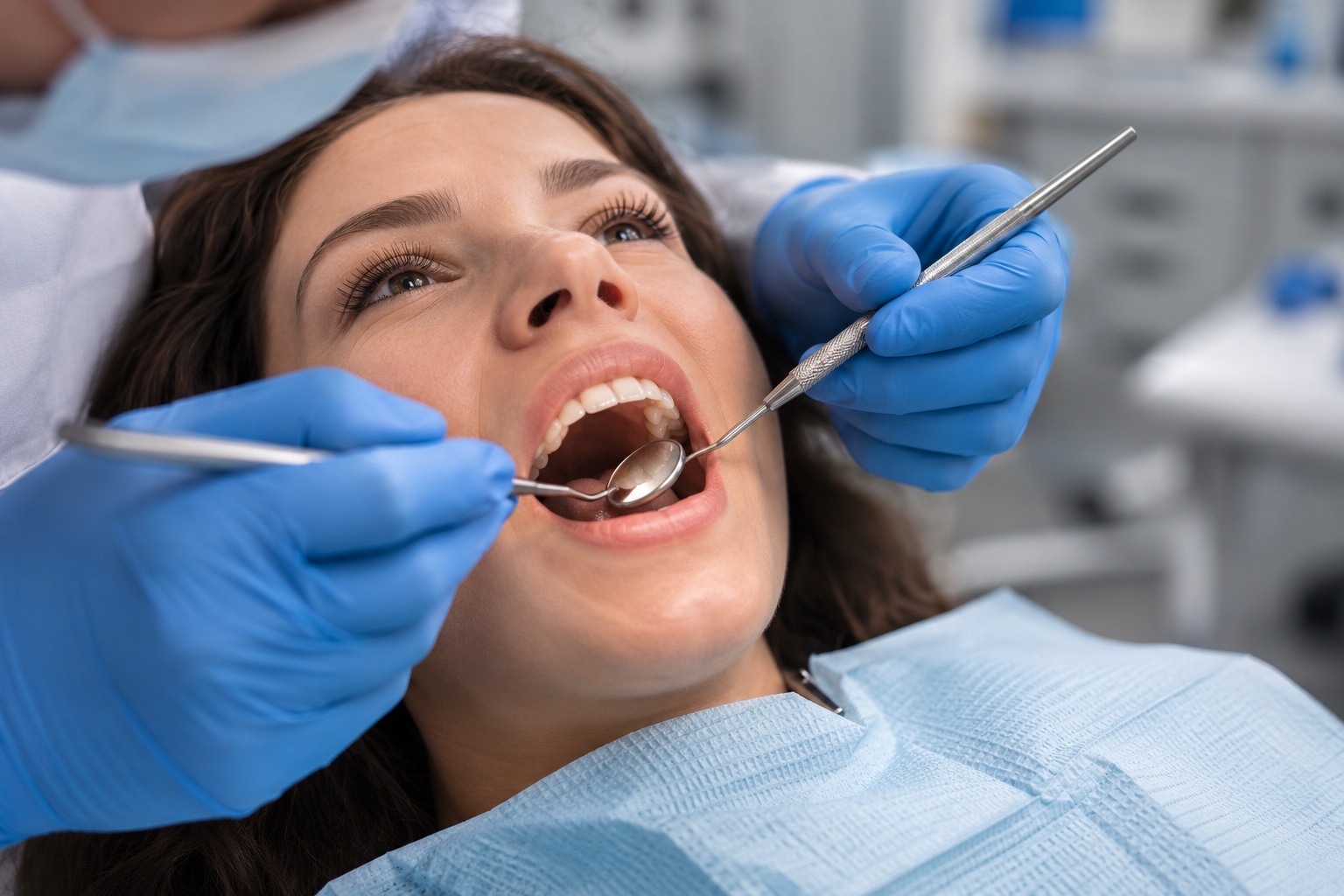
Nobody gets excited about having a tooth pulled. But if you've been told you need one, whether it's a wisdom tooth, a badly broken tooth, or one that's too infected to save, you probably have three big questions:
How much is it going to cost? How long will recovery take? And what on earth is a "dry socket," and how do I avoid it?
Good news: most extractions are quick, routine and far more comfortable than people expect. And with the right aftercare, most people are back to normal within a few days.
In this guide, we'll walk you through what a tooth extraction costs in New Jersey, what happens during the procedure, a day-by-day recovery timeline, what to eat, and everything you need to know about dry socket: what it looks like, how to tell if you have it, and the simple habits that help prevent it.
Quick answer: A simple tooth extraction in New Jersey typically costs $150 to $400, while a surgical or impacted wisdom tooth extraction usually costs $300 to $900+ per tooth. Most people feel much better within 3 to 5 days, and the gum heals over 1 to 2 weeks. To avoid dry socket, don't use straws, smoke, vape or spit forcefully for at least the first 72 hours, and follow your dentist's aftercare instructions.
In this guide:
- Why teeth need to be extracted
- How much a tooth extraction costs in NJ
- What happens during a simple vs. surgical extraction
- Day-by-day recovery timeline
- What to eat (and avoid) after an extraction
- Dry socket: what it is, what it looks like, and how to prevent it
- Replacing a missing tooth
- Tooth extraction in Piscataway, NJ
Why Would a Tooth Need to Be Pulled?
Dentists always try to save a natural tooth first. But sometimes removing it is the healthiest choice. Common reasons include:
- Severe decay that has destroyed too much of the tooth to repair
- A tooth broken or split below the gumline. Our guide on what to do about a broken tooth explains when a tooth can and can't be saved.
- Infection that can't be treated with a root canal
- Advanced gum disease that has loosened the tooth. Catching it early with gum disease treatment in Piscataway can often prevent this.
- Impacted or problem wisdom teeth that are stuck, crowded, or causing pain and infection
- Crowding, sometimes before orthodontic treatment in Piscataway
- Baby teeth that haven't fallen out on their own
Can the Tooth Be Saved Instead?
Sometimes, yes, and it's always worth asking. A tooth with an infected nerve can often be saved with root canal treatment in Piscataway, followed by a crown. If you're not sure whether your toothache means a root canal, our guide to the warning signs you need a root canal can help. A good dentist will explain both options honestly, including the long-term cost of each.
How Much Does a Tooth Extraction Cost in New Jersey?
The cost depends mostly on how difficult the tooth is to remove. Here's a guide to typical New Jersey ranges, per tooth:
Typical market ranges, not the fee schedule of any one office. An exam and X-ray are needed for an exact quote.
Extra Costs to Ask About
Does Insurance Cover Tooth Extraction?
Usually, yes. Most dental plans cover extractions as basic or major care, often at 50–80% after your deductible, up to your annual maximum. Medically necessary wisdom tooth removal is usually covered too.
Since your benefits typically reset on January 1, having a recommended extraction done before year-end can help you use this year's coverage. Our guide to using your dental insurance and FSA before December 31 explains how. You can also review our dental insurance and financing options in Piscataway.
How to Prepare for a Tooth Extraction
A little preparation makes the day, and your recovery, much smoother:
- Share your full health history, including medications, supplements and allergies. Blood thinners, some osteoporosis medications and certain health conditions can affect healing.
- Ask about comfort options if you're anxious, and whether you'll need someone to drive you home.
- Eat a light meal beforehand unless you've been told otherwise. It may be a while before you want to chew.
- Stock up on soft foods, gauze, and the pain relievers your dentist recommends.
- If you smoke, stop as early as you can, ideally several days before and after.
- Plan a quiet day. Clear your schedule for the rest of the day and avoid the gym for a couple of days.
- Brush and floss well the night before. A clean mouth lowers the risk of infection. Our home dental care tips are a quick refresher.
What Happens During a Tooth Extraction?
Knowing what to expect takes a lot of the fear out of it.
Before the Extraction
Your dentist will examine the tooth and take digital dental X-rays to see the shape and position of the roots. Be sure to tell them about all your medications, especially blood thinners, and any health conditions. If you're nervous, ask about comfort options. Our guide to taming dental anxiety has practical tips too.
Simple Extraction
For a tooth that's fully visible, the area is numbed with local anesthetic, and the dentist gently loosens the tooth before removing it. You'll feel pressure, but you shouldn't feel sharp pain. Many simple extractions take just a few minutes.
Surgical Extraction
For a tooth that's broken at the gumline, has curved roots, or is impacted (like many wisdom teeth), the dentist makes a small incision in the gum. Sometimes the tooth is divided into smaller pieces so it comes out more easily. Stitches are often placed afterward. These usually dissolve on their own.
Wisdom Tooth Removal
Wisdom teeth are the most commonly extracted teeth. They often don't have enough room to come in properly, so they can get stuck (impacted), partially erupt, trap food and cause infection, or push on neighboring teeth. Many people have them removed in their late teens or twenties, when roots are shorter and healing is usually faster.
After the Extraction
Your dentist places gauze over the socket and asks you to bite down firmly. This helps a blood clot form, and that clot is the most important part of healing, as you'll see in the dry socket section below.
Tooth Extraction Recovery: A Day-by-Day Timeline
Every mouth heals differently, and surgical extractions take a little longer than simple ones. But here's what most people experience:
How Long Does Tooth Extraction Pain Last?
For most people, pain is worst in the first 48–72 hours and then improves each day. Pain that suddenly gets worse after day 2 or 3, especially if it spreads to your ear, is a warning sign of dry socket (more on that below).
How to Speed Up Recovery
- Rest for the first 24 hours and avoid strenuous exercise for 2–3 days.
- Keep your head raised with an extra pillow for the first couple of nights.
- Use a cold compress on your cheek, 15–20 minutes on and off, for the first 24–48 hours.
- Take pain relievers exactly as your dentist recommends.
- Start gentle salt-water rinses after 24 hours (½ teaspoon of salt in a glass of warm water). Let the water fall out of your mouth instead of spitting forcefully.
- Brush your other teeth normally, but avoid the extraction site for the first few days.
- Stay hydrated, sipping from a cup, not a straw.
What to Eat After a Tooth Extraction
Your mouth will be tender, so stick to soft, cool or lukewarm foods for the first few days.
Avoid using a straw for at least a week. The suction can pull the blood clot out of the socket.
Dry Socket: What It Is, What It Looks Like, and How to Avoid It
Dry socket is the complication everyone worries about after an extraction, and for good reason: it hurts. The good news is that it's uncommon, treatable, and often preventable.
What Is Dry Socket?
Dry socket (the medical name is alveolar osteitis) happens when the blood clot in the empty tooth socket dissolves, gets dislodged, or never forms properly. That clot acts like a natural bandage over the bone and nerves. Without it, the bone is exposed to air, food and fluids, which causes intense pain and slows healing.
It happens in roughly 2% to 5% of extractions, and more often after lower wisdom teeth are removed.
When Does Dry Socket Happen?
Dry socket usually develops 2 to 4 days after an extraction. The risk is highest in the first few days and drops sharply after about a week, once the socket has started to heal.
What Does a Dry Socket Look Like?
This is one of the most-searched questions about tooth extraction. Here's how to tell the difference:
Don't confuse normal healing tissue with dry socket. Around day 3–5, many healthy sockets develop a whitish or yellowish film. That's normal granulation tissue, not exposed bone. The biggest clue is the pain: healing sockets feel better each day, while dry sockets feel worse.
How Do I Know If I Have Dry Socket?
Signs of dry socket include:
- Severe pain 2–4 days after the extraction that's getting worse, not better
- Pain that radiates to your ear, eye, temple or neck
- An empty-looking socket or visible bone
- Bad breath or an unpleasant taste
- Pain that over-the-counter medication doesn't relieve
If this sounds like you, call your dentist. Dry socket isn't usually dangerous, but it's very painful, and it's easy to treat.
Will Dry Socket Go Away on Its Own?
Eventually, yes. Dry socket usually heals by itself within about 7 to 10 days. But that can be a long, painful week. Seeing your dentist gets you relief much faster, often within hours of treatment.
How Is Dry Socket Treated?
Treatment is quick and simple:
- The dentist gently cleans and flushes the socket to remove any food or debris.
- A medicated dressing or paste (often containing soothing clove-based eugenol) is placed in the socket. Many patients feel relief almost immediately.
- The dressing may be changed every few days until the pain settles.
- You'll get instructions for pain relief and gentle rinsing at home.
Antibiotics usually aren't needed, because dry socket isn't typically an infection. They're only used if there are signs of one.
How Long Does Dry Socket Last?
With treatment, pain usually improves within 24–72 hours, and the socket heals over 7–10 days. Without treatment, it can take longer and hurt more along the way.
How to Avoid Dry Socket After a Tooth Extraction
Here's the most important part. These habits protect the blood clot during the critical first few days:
For the First 72 Hours (at Least)
- Don't use straws. Suction can pull out the clot.
- Don't smoke or vape. This is one of the biggest risk factors (see below).
- Don't spit forcefully. Let liquids fall gently out of your mouth instead.
- Don't rinse vigorously. No rinsing at all for the first 24 hours, then only gentle salt-water rinses.
- Avoid hot drinks and alcohol for the first 24 hours.
- Skip strenuous exercise for 2–3 days, since it raises blood pressure and can disturb the clot.
- Don't poke the socket with your tongue, fingers or toothpicks.
For the First Week
- Eat soft foods and chew on the other side.
- Avoid crunchy, seedy or crumbly foods that can get stuck in the socket.
- Keep the rest of your mouth clean with gentle brushing.
- Follow your dentist's instructions exactly, and take any prescribed medications as directed.
Does Smoking Really Cause Dry Socket?
Yes, and it's not a myth. Smoking increases dry socket risk in two ways: the sucking motion can dislodge the clot, and the chemicals in tobacco reduce blood flow and slow healing. Vaping carries similar risks, since it involves the same suction.
If you smoke, the best approach is to stop for as long as possible before and after your extraction, ideally a week or more. If you can't, talk to your dentist about options like a nicotine patch. Tricks you may see online, like smoking with gauze over the socket, are not reliable.
Who's More Likely to Get Dry Socket?
Your risk is higher if you:
- Smoke or use tobacco
- Are having a lower wisdom tooth or a difficult surgical extraction
- Have had dry socket before
- Take oral contraceptives (estrogen can affect clotting)
- Have an infection around the tooth at the time of extraction
- Don't follow aftercare instructions
If any of these apply, tell your dentist ahead of time. They can take extra precautions.
When to Call Your Dentist After an Extraction
Some discomfort is normal. But call your dentist if you notice:
- Pain that gets worse after day 2 or 3, possibly dry socket
- Heavy bleeding that doesn't slow after 30–45 minutes of firm pressure with gauze
- Swelling that keeps getting worse after day 3
- Fever, chills, pus or a foul discharge, signs of infection
- Numbness that lasts well after the anesthetic should have worn off
- Trouble breathing or swallowing. Seek emergency care right away.
For more on urgent symptoms, see our guide to what counts as a dental emergency.
Replacing a Missing Tooth After an Extraction
Unless it's a wisdom tooth or a baby tooth, it's usually important to replace a missing tooth. Otherwise, neighboring teeth can drift into the gap, your bite can shift, and the jawbone where the tooth used to be slowly shrinks.
Your main options are:
- A dental implant: the most natural-feeling, long-lasting replacement. Our guide to dental implant costs in New Jersey covers prices and the procedure, and you can learn about dental implants in Piscataway, NJ.
- A dental bridge: a fixed option that uses the neighboring teeth for support. See our porcelain dental bridges in Piscataway.
- A partial or full denture: a removable, more affordable option. Here's how much dentures cost in NJ.
If you're planning an implant, ask about socket preservation: placing bone graft material in the socket right after extraction. It helps keep the bone strong and can make the implant easier later.
Tooth Extraction in Piscataway, NJ at Smile Wellness Dental
At Smile Wellness Dental, Dr. Pooja Tanna, DDS, and our team perform gentle tooth extractions in Piscataway, from simple extractions to surgical extractions and wisdom tooth removal, at our office at 1080 Stelton Road. We're a short drive from Edison and South Plainfield. Our advanced dental technology in Piscataway, including digital X-rays, helps us plan each extraction precisely.
Here's what you can expect:
- An honest assessment of whether the tooth can be saved first
- Thorough numbing and a gentle approach, with comfort options for anxious patients
- Clear aftercare instructions to help you heal quickly and avoid dry socket
- Follow-up care if anything doesn't feel right
- A plan for what comes next, if the tooth needs replacing
- Help with insurance, so you know what's covered before you start
In pain right now? We also provide emergency tooth extraction in Piscataway for urgent cases, with same-day appointments whenever the schedule allows.
"Most patients tell me the extraction was much easier than they feared. The part that matters most is what happens in the days afterward, so we make sure everyone leaves knowing exactly how to protect that healing socket." Dr. Pooja Tanna, DDS, Smile Wellness Dental
Before your visit, you can read Smile Wellness Dental patient reviews on Google, meet the dental team at Smile Wellness Piscataway, and fill out your patient forms online before your Piscataway visit.
Need a Tooth Removed or Worried About Dry Socket?
Whether you need an extraction or you're healing from one and something doesn't feel right, we're here to help. Book your tooth extraction consultation in Piscataway, or call our Piscataway dental office if you think you have dry socket, and we'll get you in as soon as possible.
Smile Wellness Dental 1080 Stelton Rd, Suite 201, Piscataway, NJ 08854 Phone: (732) 572-8888 Mon 9–5 · Tue–Thu 10–6 · Fri 8–4 · Sat 8–1 · Sun closed Get directions to Smile Wellness Dental on Google Maps
Frequently Asked Questions About Tooth Extraction and Dry Socket
How much does a tooth extraction cost in New Jersey?
A simple tooth extraction in New Jersey typically costs $150 to $400 per tooth in 2026. Surgical extractions usually cost $300 to $800, and impacted wisdom teeth can cost $450 to $900 or more per tooth. Most dental insurance plans cover extractions at 50% to 80% after the deductible.
How long does it take to recover from a tooth extraction?
Most people feel much better within 3 to 5 days after a tooth extraction. The gum tissue usually closes over in 1 to 2 weeks, and the bone underneath fills in over 3 to 6 months. Surgical and wisdom tooth extractions may take a little longer to heal.
What does a dry socket look like?
A dry socket looks empty, or you may see whitish bone at the bottom of the socket instead of a dark red blood clot. It usually comes with severe pain that gets worse 2 to 4 days after the extraction and spreads to the ear or temple, along with bad breath or an unpleasant taste.
How do I know if I have dry socket?
You may have dry socket if severe pain starts or worsens 2 to 4 days after an extraction, spreads to your ear, eye or temple, doesn't improve with pain relievers, and comes with bad breath or an empty-looking socket. Call your dentist, who can confirm it and treat it quickly.
How can I avoid dry socket?
To avoid dry socket, don't use straws, smoke, vape or spit forcefully for at least 72 hours after an extraction. Avoid rinsing for the first 24 hours, then rinse gently with salt water. Eat soft foods, skip strenuous exercise for a few days, and follow your dentist's aftercare instructions.
Will dry socket go away on its own?
Dry socket usually heals on its own within about 7 to 10 days, but it can be very painful during that time. A dentist can clean the socket and place a medicated dressing that often relieves the pain within hours, so it's best to get it treated rather than wait.
When am I no longer at risk for dry socket?
Dry socket most often develops 2 to 4 days after an extraction. The risk drops significantly after about 7 days, once the socket has started healing. Keep following your aftercare instructions for the full first week to protect the blood clot.
What can I eat after a tooth extraction?
For the first day, eat soft, cool or lukewarm foods like yogurt, applesauce, pudding, mashed potatoes and lukewarm soup. Over the next few days, add scrambled eggs, oatmeal and soft pasta. Avoid hot, crunchy, spicy or seedy foods, and don't use a straw for at least a week.
Where can I get a tooth extraction in Piscataway, NJ?
Smile Wellness Dental at 1080 Stelton Rd, Suite 201, Piscataway, NJ provides simple, surgical and wisdom tooth extractions under the care of Dr. Pooja Tanna, DDS, including emergency extractions when the schedule allows. The office is a short drive from Edison and South Plainfield. Call (732) 572-8888.


